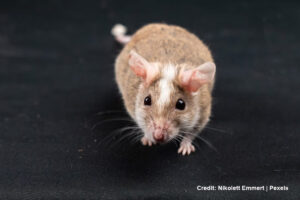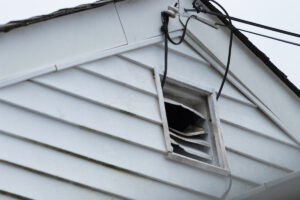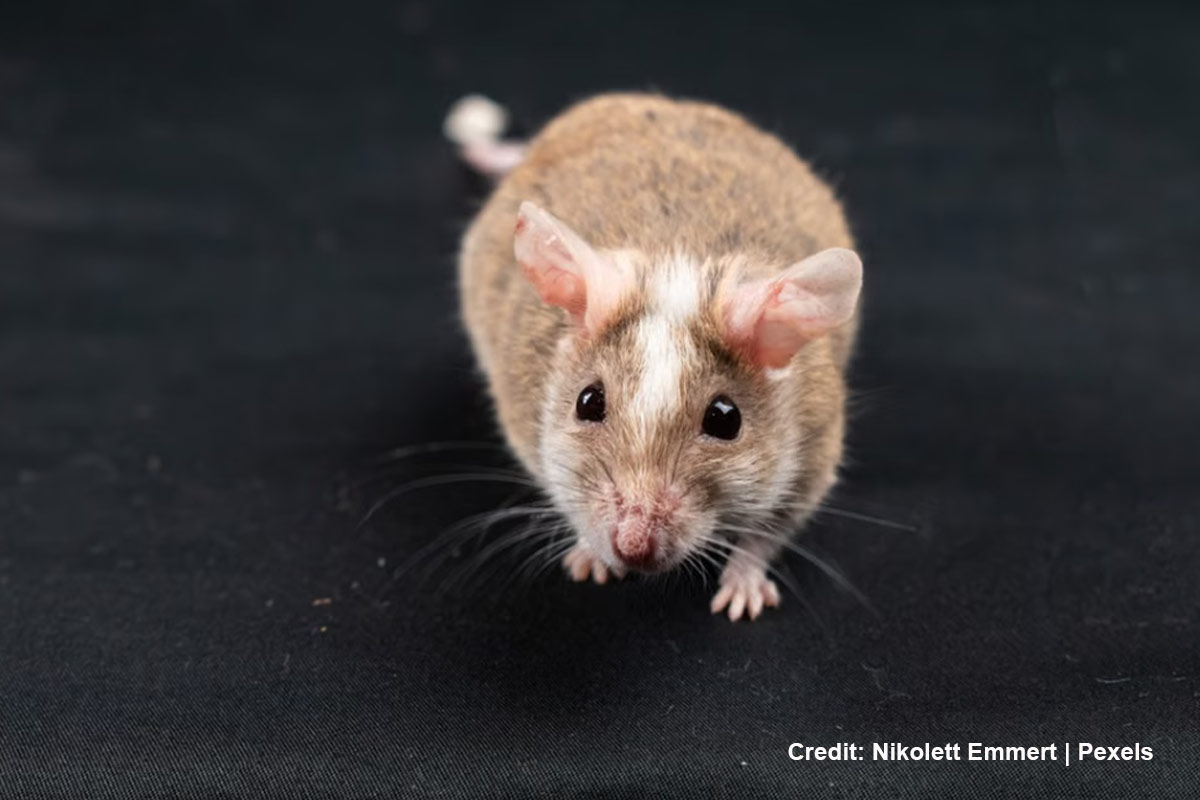
Quick Answer: Keeping mice out of Toronto properties permanently requires a continuous, multi-tiered approach. Homeowners must seal foundation micro-breaches, aggressively manage exterior food sources, install heavy-duty exclusion barriers, and conduct routine structural audits to block these determined, highly adaptive rodents.
Stopping a biological invasion begins with understanding the relentless nature of the enemy. A single pregnant mouse squeezing through a cracked brick transforms a minor nuisance into a massive structural crisis within weeks.
Hardware store traps offer a temporary illusion of success while the hidden colony rapidly expands behind the drywall. Real protection requires turning the residential property into a fortified envelope capable of withstanding constant biological pressure.
Why Do Seasonal Shifts Drive Mice Indoors?
Toronto weather forces wildlife into survival mode. As autumn temperatures plummet, natural outdoor food supplies disappear, and the freezing ground becomes inhospitable. Consequently, mice actively seek environments that offer radiant heat and caloric abundance. Residential homes perfectly match this biological criterion.
- The Winter Push: Freezing conditions drive rodents directly toward foundation walls, where they detect warm air escaping from tiny structural fissures.
- The Spring Thaw Surge: Melting snow and torrential spring rains flood subterranean burrows, forcing displaced colonies to seek dry, elevated shelters within wall voids and attics.
- Summer Foraging: Even during warmer months, the abundance of easily accessible domestic waste keeps populations tethered to residential neighbourhoods rather than returning to natural habitats.
This constant, year-round environmental pressure proves that waiting for a problem to appear is a failing strategy. Defence demands active, continuous exclusion efforts rather than seasonal, reactive panic.
What Exterior Vulnerabilities Demand Immediate Attention?
The physical envelope of a house acts as the primary barrier against intrusion. A mouse only requires a gap measuring six millimetres (roughly the width of a standard pencil) to breach a home. Their skeletal structure compresses effortlessly, allowing them to bypass seemingly secure architectural features.
- Foundation Fissures: Freeze-thaw cycles brutalize concrete foundations, creating hairline cracks that widen over successive Canadian winters. These cracks must be meticulously packed with stainless steel wool and sealed with specialized elastomeric caulking.
- Weep Hole Exploitation: Brick facades require weep holes for moisture ventilation. Leaving these open invites disaster. Rigid, custom-machined steel inserts must be installed to maintain necessary airflow while blocking pests.
- Degraded Weatherstripping: Garage doors and basement windows often feature worn rubber sweeps. Upgrading to heavy-duty, gnaw-proof threshold barricades eliminates effortless entry points.
- Utility Penetrations: The oversized gaps surrounding air conditioning conduits and gas lines are notorious rodent highways. Packing these voids with chew-resistant metal meshes and exterior-grade sealants stops access completely.
Routine auditing of these specific perimeters guarantees the structural envelope remains fundamentally uncompromised against relentless chewing.
How Does Landscaping Influence Rodent Activity?

Physical barriers fail when the immediate exterior environment artificially inflates the surrounding rodent population. Overgrown vegetation and poorly managed waste act as massive biological attractants.
- The Clearance Zone: Dense shrubs planted tight against a foundation provide perfect cover from natural predators. Maintaining a strict 45-centimetre clearance zone around the building forces rodents to cross open, exposed ground.
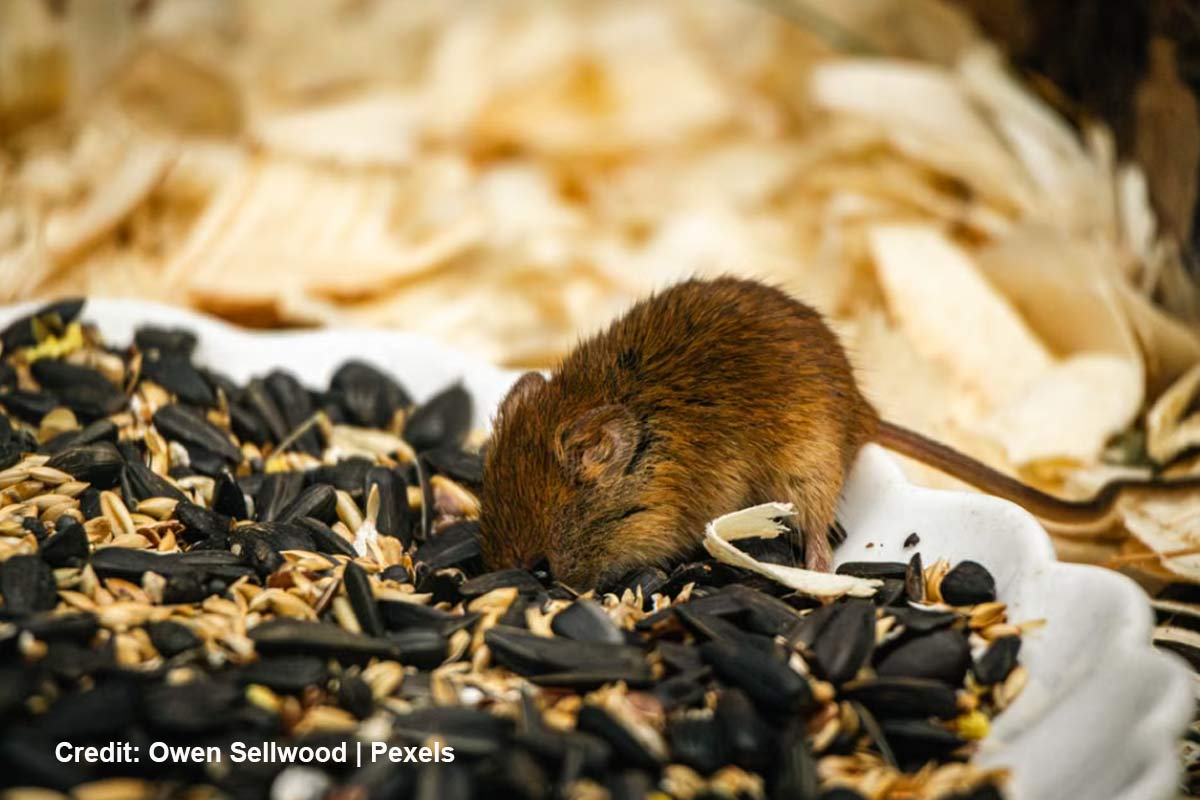
- Bird Feeder Hazards: Spilled seeds represent a highly concentrated, calorie-dense food source that sustains massive colonies. Removing bird feeders or switching to liquid nectar drastically reduces local rodent carrying capacities.
- Debris Elevation: Firewood stacks and backyard waste must be elevated on metal racks at least 45 centimetres off the soil and moved as close to the property line as legally permitted.
Stripping away these environmental comforts forces the local population to migrate elsewhere in search of easier, less hostile territories.
What Hidden Health Risks Do Urban Mice Introduce?
Beyond shredding fibreglass insulation and chewing through flammable electrical sheathing, mice serve as a highly mobile transport system for dangerous biological contaminants. They constantly track pathogens directly from alleyway dumpsters onto kitchen countertops and food preparation surfaces.
However, the threat extends beyond the rodents themselves to the microscopic parasites they carry. Scientific analysis reveals that house mouse mites are highly prevalent in dense urban environments, posing a serious potential health risk to humans, with local infestation rates varying significantly between 25% and 89% (Yu et al., 2025). When a mouse perishes behind a wall or is evicted, these microscopic mites detach and rapidly migrate into living spaces in search of a new host, causing severe dermatological reactions in humans.
For this reason, simple extermination is vastly insufficient. Complete exclusion prevents these pathogen-carrying vectors from ever crossing the threshold, effectively neutralizing the cascading health hazards associated with urine-soaked drywall, airborne droppings, and highly aggressive secondary parasitic infestations.
How Do Advanced Monitoring Tactics Prevent Return?
Once a property is successfully fortified, ongoing vigilance dictates the long-term success of the defence strategy. Relying on visual inspections alone leaves a property highly vulnerable to microscopic, newly formed breaches caused by regular house settling.
- Tamper-Proof Bait Stations: Deploying secured, heavy-duty exterior monitoring stations around the perimeter allows technicians to gauge the exact density of the surrounding pest population without relying on dangerous retail poisons.
- Data-Driven Audits: By analyzing gnaw patterns on non-toxic tracking blocks, experts precisely map exterior pressure points.
The highest tier of pest control in Toronto relies entirely on this continuous feedback loop. Recognizing a sudden spike in exterior activity allows for preemptive structural reinforcement before a breach actually occurs, effectively saving the homeowner from thousands of dollars in interior remediation costs. Proper defence is an ongoing scientific process, not a one-time event.
Lock Down Your Perimeter Immediately
Waiting for the unmistakable sound of scratching in the ceiling guarantees massive structural damage has already occurred. Transitioning from reactive trapping to permanent exclusion is the only scientific method for protecting a residential investment.
Stop relying on inadequate hardware store solutions that completely ignore the root structural failures. Call us at Pro Pest Corporation today by dialling (416) 487-4179 to secure the most meticulous and advanced mouse and mice removal in Toronto.
Demand absolute structural integrity, eradicate environmental attractants, and permanently seal your property against relentless biological pressure. Do not surrender your home to another season of costly, dangerous, and entirely preventable wildlife invasions.