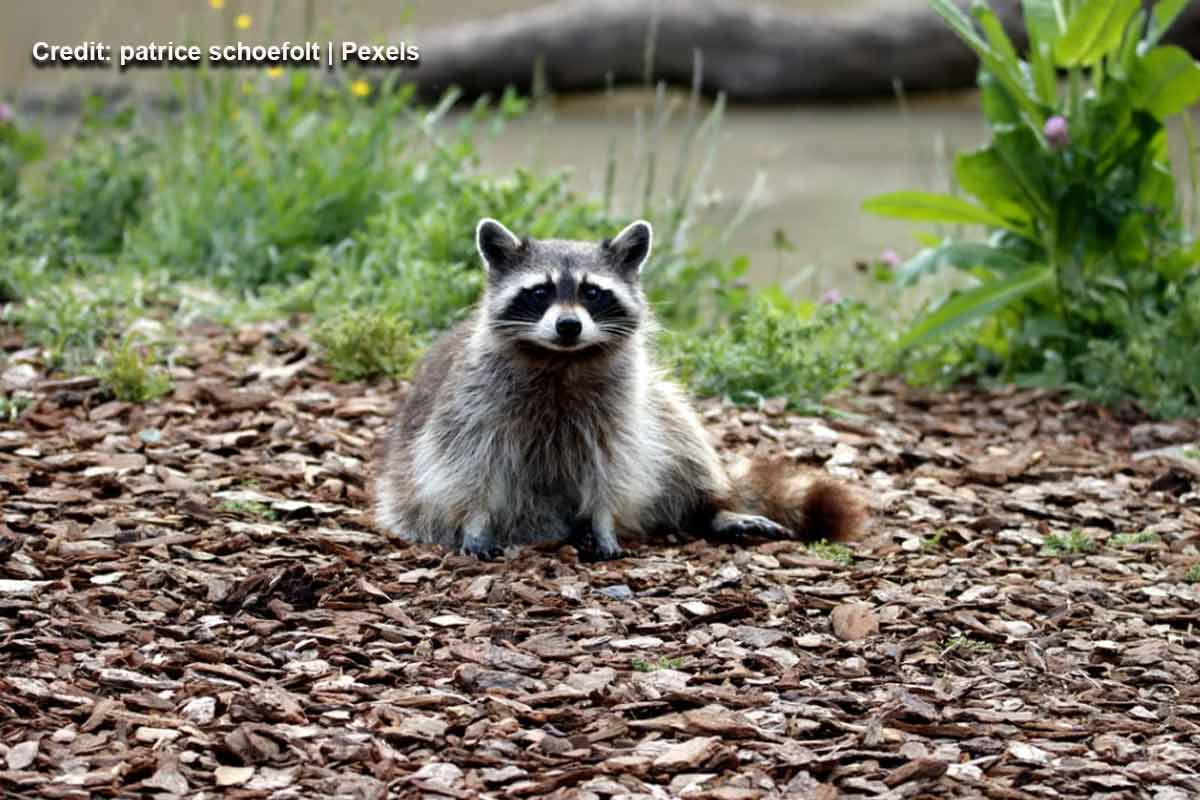
Quick Answer: Raccoons thrive in downtown Toronto because the dense urban environment provides an unlimited supply of high-calorie food waste, countless structural voids for warm denning, and a complete lack of natural predators. Their remarkable cognitive adaptability allows them to constantly outsmart physical barriers and human interference.
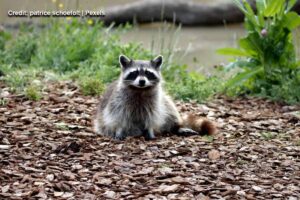
Toronto holds the unofficial title of the raccoon capital of the world. Walking down a downtown alleyway at midnight guarantees an encounter with the city’s most notorious biological residents. Residents constantly face the reality of tipped bins and scratched rooflines, wondering why these mammals refuse to leave the concrete jungle.
This dense population is not an accident or a temporary surge; it is the direct result of a perfectly engineered, albeit unintentional, urban ecosystem. The concrete grid of Canada’s largest metropolis offers conditions far superior to any natural forest.
Why Is Toronto the Ultimate Urban Raccoon Habitat?
The sheer density of downtown Toronto creates an environmental jackpot for opportunistic wildlife. In a natural forest, survival requires expending massive amounts of energy to forage across square kilometres of harsh terrain. In the city centre, the necessities of life are concentrated into incredibly small, easily accessible pockets.
- Zero Predator Threat: The downtown core is entirely devoid of natural predators like coyotes, wolves, or large birds of prey. This absence of biological pressure allows litters to survive at unprecedented rates.
- Heat Island Effect: Concrete and asphalt absorb and retain massive amounts of solar radiation. This creates a localized heat island effect, making downtown winters significantly milder than the surrounding rural areas, vastly improving winter survival rates.
- Dense Alleyway Networks: The grid of laneways behind residential and commercial blocks provides a perfect, shadowed transportation highway. These routes keep them hidden from heavy traffic while directly connecting them to endless food sources.
How Does Toronto’s Architecture Provide Superior Denning Sites?
A raccoon’s primary biological mandate during the freezing Canadian winter is securing a warm, dry shelter. Downtown Toronto features a massive mixture of aging Victorian homes, retrofitted commercial spaces, and rapidly constructed infill housing. This architectural diversity creates endless structural vulnerabilities.
- Aging Victorian Rooflines: Historic homes in neighbourhoods like Cabbagetown or the Annex feature complex, deteriorating rooflines. Rotting wooden fascia and brittle shingles provide easy access points for strong claws.
- Uncapped Chimneys: Older residential properties frequently feature unused masonry chimneys. These vertical drops simulate hollow trees, offering absolute protection from the harsh elements.
- Elevated Decks and Porches: The tight crawlspaces beneath front porches and backyard decks offer secure, ground-level sanctuaries entirely shielded from heavy snow accumulations.
Raccoons actively bypass natural shelters because residential voids offer superior thermal retention. Heat escaping from living spaces turns attics into massive incubators, ensuring kits survive freezing spring temperatures.
Why Do City Diets Fuel Raccoon Population Growth?
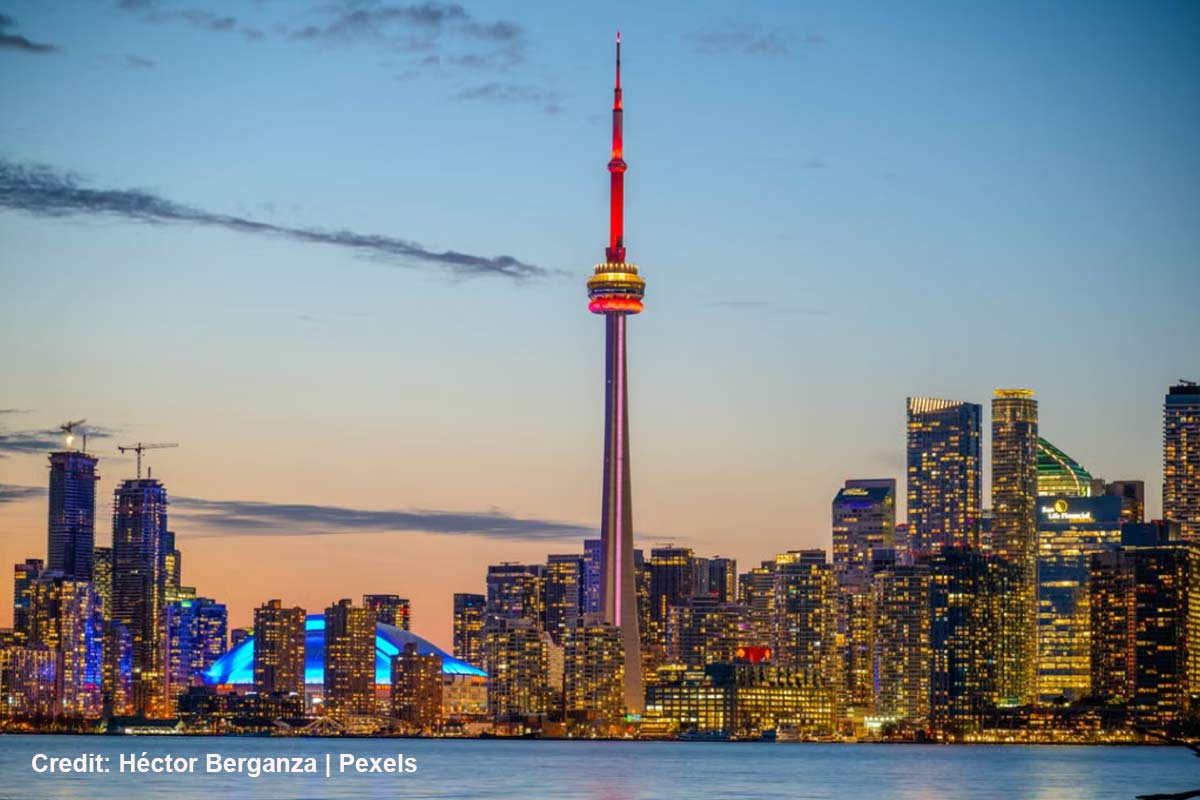
The availability of calories directly dictates the size of any wildlife population. Downtown Toronto generates a staggering volume of highly accessible, nutrient-dense organic waste, completely eliminating the need for natural foraging.
- The Green Bin Buffet: Despite the introduction of locking compost bins, these mammals possess immense physical strength and dexterity. They routinely defeat locking mechanisms, accessing thousands of calories in discarded food scraps nightly.
- Commercial Dumpsters: The alleys behind restaurants and grocery stores act as massive, overflowing feeding troughs. A single dumpster can sustain multiple colonies without requiring them to hunt or gather.
- Intentional Feeding: Unfortunately, many residents intentionally leave pet food or peanuts outside. This misguided practice artificially inflates the carrying capacity of the neighbourhood, drawing massive numbers of animals into heavily populated zones.
This unlimited caloric intake allows urban raccoons to grow significantly larger and produce healthier, larger litters than their rural counterparts.
How Does Raccoon Intelligence Drive Their Urban Success?
Physical strength and a varied diet only account for a portion of their dominance. Their cognitive capacity is the true engine of their urban supremacy. Research confirms that raccoons excel in urban life due to their ability to adapt to changing situations and their ability to learn from situations, making them a key species for urban wildlife (Knight, K. 2022).
- Problem-Solving Dexterity: Their front paws function with extreme dexterity, allowing them to open jars, untie knots, and manipulate complex latches.
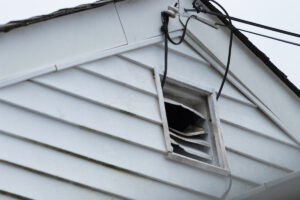
- Spatial Memory: Once a raccoon discovers a vulnerable roof vent or an overflowing garbage bin, they memorize the exact location. They will aggressively return to that exact spot night after night.
- Generational Learning: Mothers actively teach their young how to bypass specific structural defences. If a female learns how to rip open a specific type of roof vent, she passes that exact technique directly to her kits, creating highly specialized urban scavengers.
What Are the Severe Risks of Coexisting With Urban Wildlife?
Treating these animals as harmless neighbourhood pets is a dangerous misconception. When wildlife moves from the alleyway directly into your attic, the resulting damage is catastrophic. Ignoring early warning signs guarantees that a localized problem will rapidly escalate into a severe structural failure across your property.
- Structural Devastation: Raccoons will aggressively shred roofing materials, tear apart HVAC ductwork, and rip down paper vapour barriers to build their nests.
- Electrical Hazards: They routinely chew through the protective plastic sheathing on electrical wires hidden within the walls, creating an immediate and severe fire hazard.
- Biological Contamination: These animals establish designated latrines inside attics. The accumulation of feces and urine rapidly destroys drywall and introduces roundworm eggs into the residential environment, posing a severe neurological threat if inhaled.
Addressing these threats requires immediate action. Relying on high-quality pest control in Toronto guarantees that structural breaches are accurately identified and permanently secured against relentless biological pressure.
Secure Your Toronto Property Today
Do not allow aggressive wildlife to claim ownership of your structural investment. Reclaim your property and permanently stop the relentless cycle of biological damage and severe health hazards. You require commercial-grade structural fortification and advanced diagnostic auditing. Take immediate control of your home today.
Contact us at Pro Pest Corporation by dialling (416) 487-4179 to schedule the most scientifically rigorous, permanent raccoon removal in Toronto. Protect your structural envelope, safeguard your family from dangerous contaminants, and permanently lock unwanted wildlife outside where they belong.