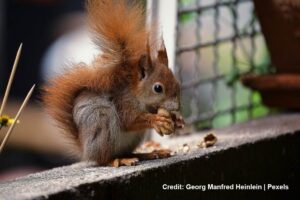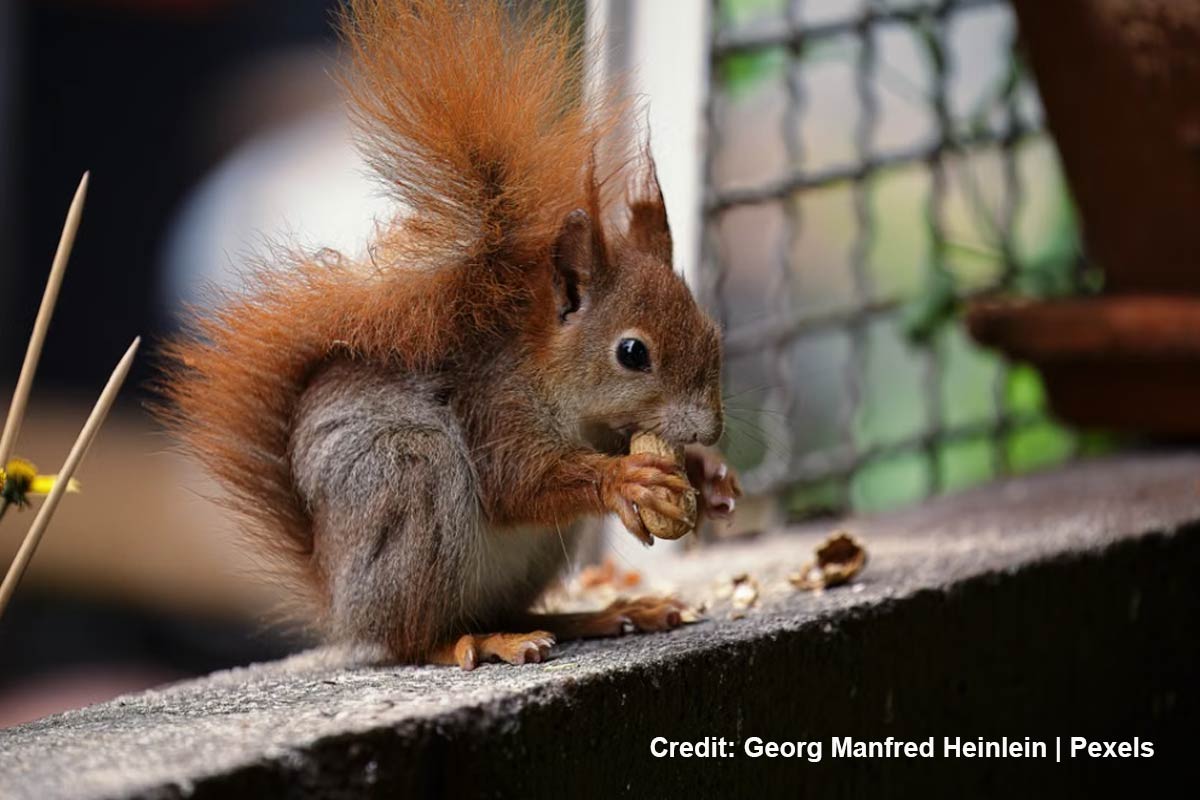
Quick Answer: Raccoons and mice usually dominate ground-level properties, but athletic eastern grey squirrels have adapted to high-density vertical living. They scale multi-storey buildings, transforming balconies into secure nesting sites, destroying exterior siding, and creating fire hazards by stripping electrical wiring.
High-rise living once guaranteed total isolation from urban wildlife. Living on the tenth floor felt like an impenetrable fortress. That assumption is fundamentally shattered. Eastern grey squirrels are aggressively redefining their vertical limits, transforming luxury high-rises into prime nesting territory.
A sudden rustling behind patio furniture signals a biological intrusion that most condo boards are unprepared to handle. Understanding the exact mechanisms driving this vertical migration is essential for long-term protection, saving thousands in property damage, preventing extreme frustration, and avoiding costly structural repairs that quickly drain your savings.
How Do Squirrels Scale High-Rise Condominiums?
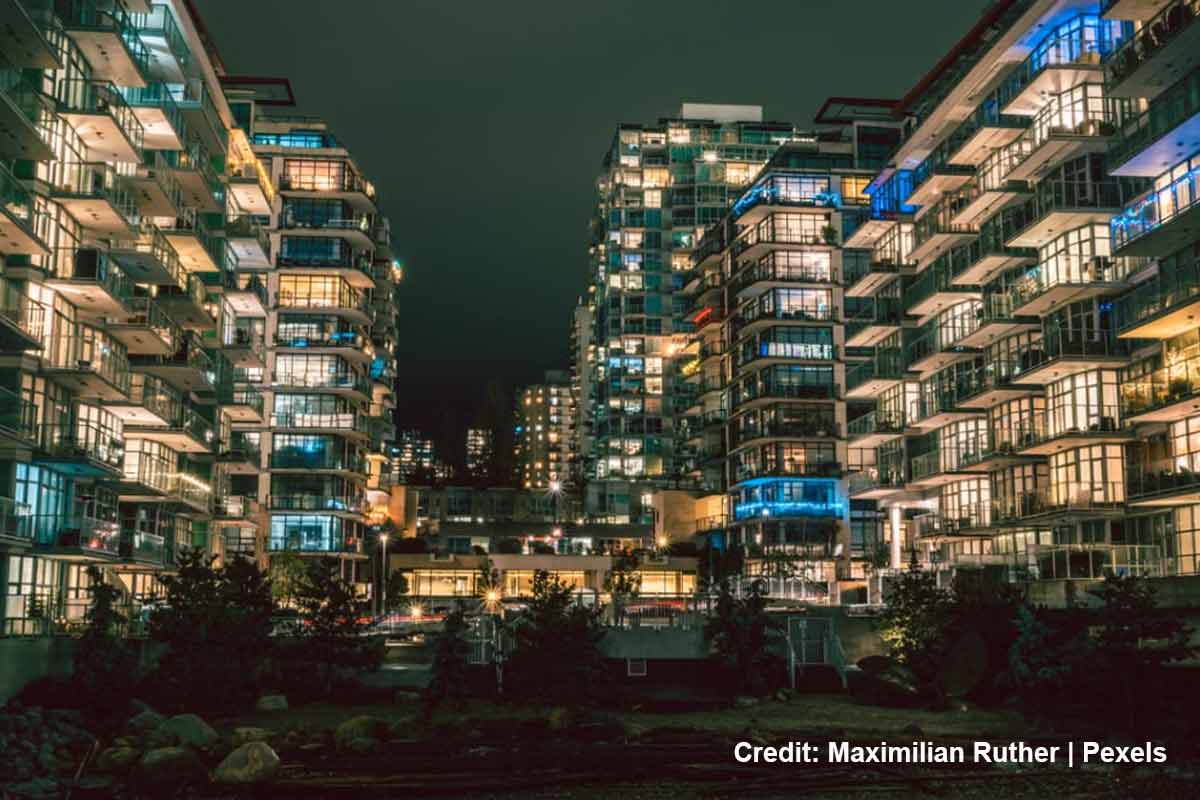
Condominium owners frequently stare in disbelief at a squirrel casually perched on a balcony railing twenty storeys above the busy street. Understanding how they achieve these staggering heights requires acknowledging their incredible athleticism and rapidly evolving behavioural psychology. To breach these heights, these determined rodents rely on several specific climbing techniques:
- The Vertical Highway: Modern condo architecture provides a perfect climbing grid. Textured concrete siding, recessed balconies, and exposed structural pillars mimic the deep bark of massive oak trees.
- Balcony Hopping: These rodents leap several metres horizontally and vertically. They ascend by hopping from one partition to the next, using minor architectural ledges to aggressively climb the facade.
- The Psychology of the Climb: The drive to climb higher is deeply rooted in how these animals evaluate risk versus reward. Studies indicate that squirrels willingly ascend to greater heights when a superior food source is available, proving they directly connect the quality of the meal with the physical effort needed to acquire it. Consequently, placing premium birdseed or lush potted plants on high-rise balconies inadvertently signals a top-tier caloric prize, compelling these rodents to conquer massive vertical obstacles to claim it.
Why Are Condo Balconies Prime Real Estate for Nests?
Reaching the balcony is only the first step; establishing a permanent base is the ultimate goal. A high-rise balcony offers immense environmental advantages that a standard backyard tree simply cannot match. When scouting for a permanent location to breed, these rodents evaluate balconies based on the following distinct biological benefits:
- Absolute Predator Immunity: Natural predators like coyotes, foxes, and neighbourhood cats cannot reach a balcony on the fifteenth floor. Hawks and owls struggle to manoeuvre within the tight confines of condo architecture. This height guarantees zero ground-level threats, creating a perfect sanctuary for raising vulnerable offspring.
- Artificial Heat Sinks: Condominium buildings bleed radiant heat through massive floor-to-ceiling windows. A nest built tightly against the exterior glass or tucked behind an HVAC compressor benefits from a continuous supply of warmth during harsh Canadian winters.
- Ready-Made Nesting Materials: Condo owners unwittingly provide premium, luxury bedding. Squirrels will ruthlessly shred expensive patio cushions, tear apart woven rattan furniture, and uproot decorative cedar planters. They gather these highly insulated, synthetic materials and pack them into tight corners to create weatherproof, highly resilient maternal dens.
What Structural Damages Do They Cause in Multi-Unit Buildings?
The presence of a squirrel on a balcony rapidly escalates from a minor nuisance to a severe property management crisis. Their biological mandate to chew constantly makes them a profound threat to high-density residential structures. Leaving the infestation unchecked guarantees these specific, highly destructive property consequences:
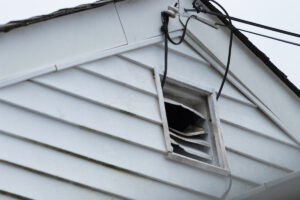
- Compromised Exterior Cladding: They routinely gnaw through the exterior caulking around sliding doors and windows. This destruction breaks the waterproof seal, allowing heavy rain to penetrate the building envelope, causing severe water damage and black mould growth within the wall cavities.
- HVAC System Destruction: Many units feature private heat pumps or air conditioning units on the balcony. Squirrels squeeze into these metal housings, chewing through the sensitive refrigerant lines and destroying the aluminum cooling fins, leading to repairs costing thousands of dollars.
- Extreme Fire Hazards: The most terrifying threat involves electrical systems. Squirrels aggressively chew through the plastic sheathing protecting exterior outlets and balcony lighting. Stripping live copper wires creates an immediate risk of electrical shorts and catastrophic fire. High-quality pest control in Toronto frequently addresses situations where a single rodent has disabled power for an entire floor by chewing through main utility lines hidden within exterior soffits.
How Does the Shared Environment Complicate Exclusion?
Managing an infestation in a detached suburban home is straightforward because the homeowner controls the entire property. In a condominium, the shared environment makes defence incredibly complex. Attempting to lock down a single unit often fails because of these unique architectural and communal challenges:
- The Neighbour Factor: You can maintain a pristine balcony, but if your immediate neighbour leaves garbage bags outside or hangs an overflowing bird feeder, the entire floor remains vulnerable. The rodents will nest next door and use shared partition walls to travel back and forth, turning the level into an interconnected highway.
- Condo Board Restrictions: Owners face strict bylaws governing what they can install on their balconies. Erecting heavy-duty steel mesh enclosures or permanent physical barriers often violates property management rules regarding the exterior aesthetic of the building. This forces residents to rely on invisible, highly strategic exclusion techniques.
- Continuous Re-infestation: Since multi-unit buildings contain hundreds of potential nesting sites, removing one animal does nothing to stop another from immediately taking its place. It requires a synchronized, building-wide approach focusing on strict waste management and aggressive exclusion policies.
Secure Your High-Rise Investment Immediately
A balcony overrun by wildlife renders your expensive outdoor space completely unusable and threatens structural integrity. Stop relying on temporary deterrents that highly adaptable rodents will bypass. Secure your property with professional, commercial-grade fortification tailored specifically for multi-residential environments.
Contact us at Pro Pest Corporation by dialling (416) 487-4179 to schedule the most rigorous, advanced squirrel removal in Toronto. We provide the expertise required to safely evict the animals and permanently lock them off your terrace without violating stringent condo board regulations. Reclaim your outdoor sanctuary today, ensuring absolute peace of mind for you and your family.