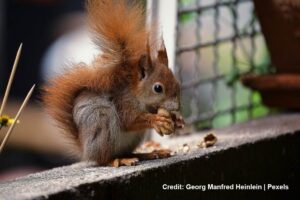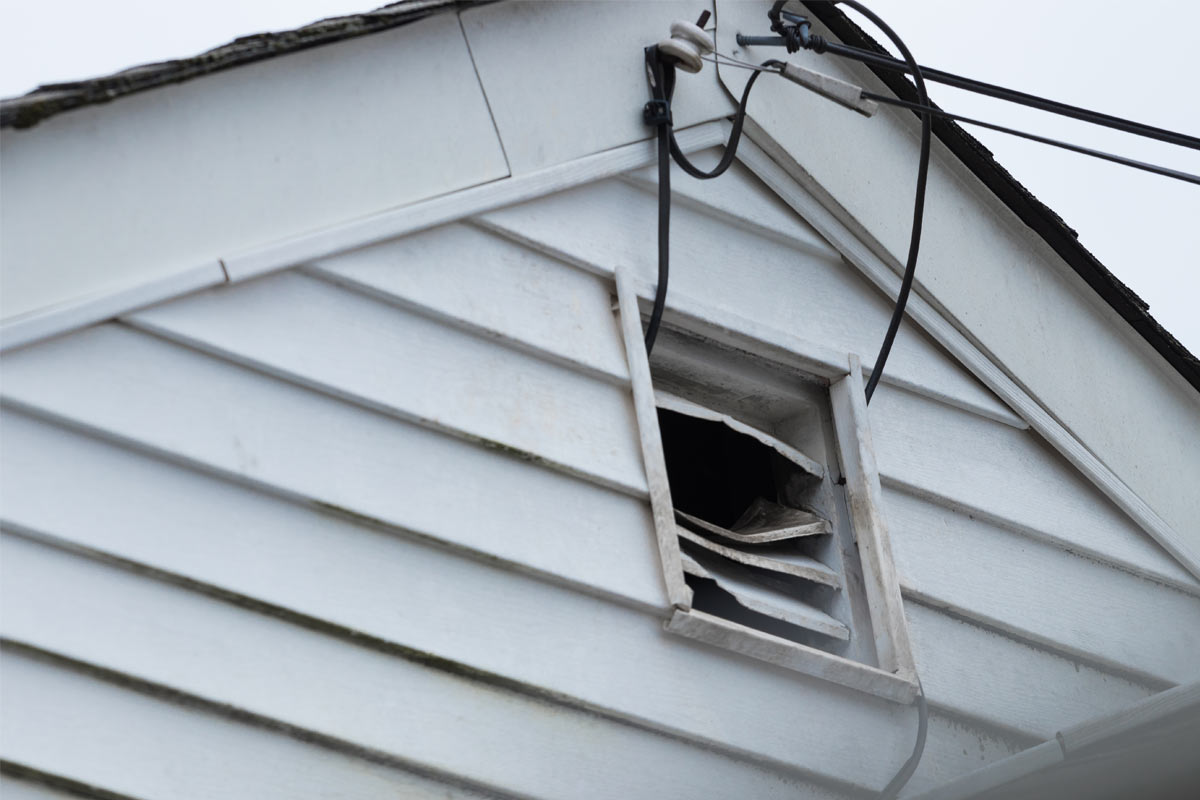
Waking up to the frantic sound of scratching directly above your ceiling is a jarring experience that shatters the comfort of your residential sanctuary. Eastern grey squirrels are relentlessly opportunistic, viewing modern architecture not as an impenetrable barrier, but as a heavily insulated extension of their natural forest habitat.
Once they identify a structural vulnerability, they will exploit it ruthlessly, transforming your property into a multi-generational nesting ground. Stop wondering why they chose your house, and start understanding the specific environmental triggers.
Ignoring the subtle warning signs (like chewed shingles, displaced insulation, or sudden electrical flickering) only guarantees that a minor intrusion will rapidly escalate into a catastrophic structural breach. Effective eradication demands a deep understanding of urban rodent behaviour, seasonal migration patterns, and modern building science.
How Do Overhanging Trees Bridge the Gap to Your Roof?
Toronto features a lush, expansive urban canopy, creating a beautiful environment that inadvertently serves as a massive transportation network for urban wildlife. Squirrels are exceptionally agile climbers and acrobatic jumpers, capable of leaping several metres horizontally and surviving massive vertical drops.
The Aerial Highway System
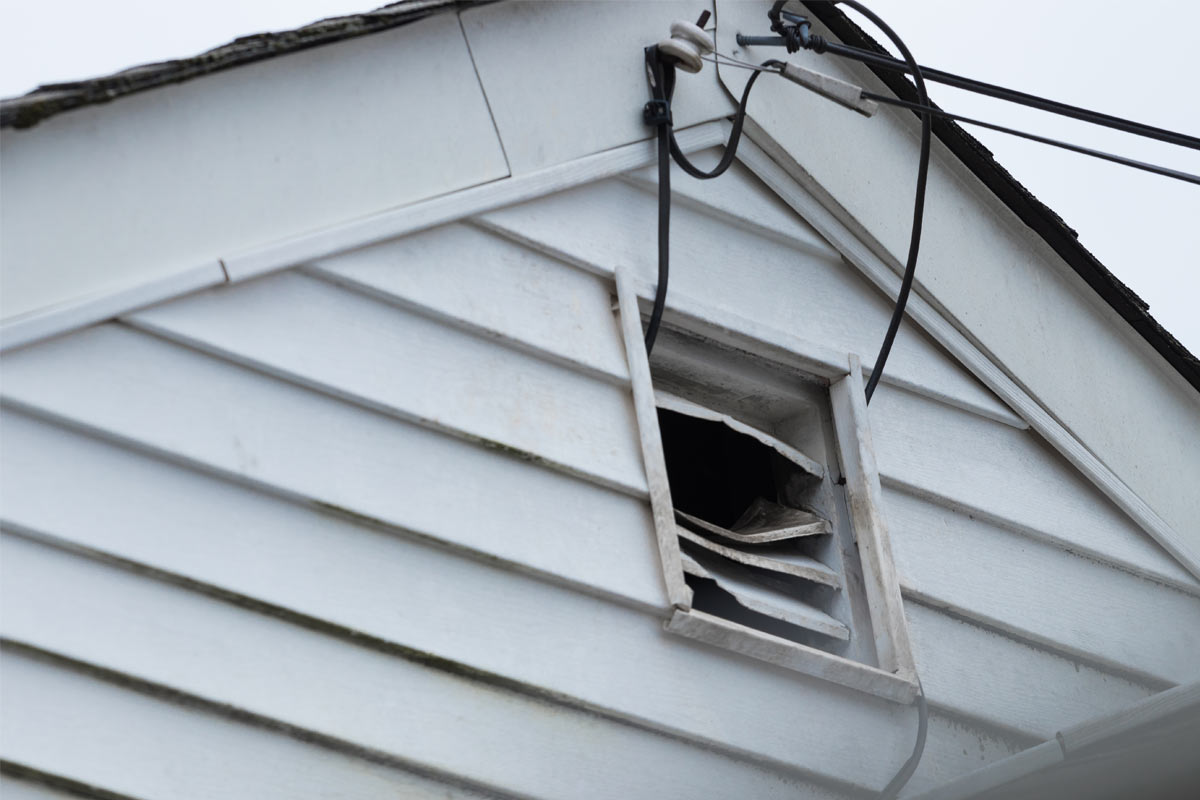
When mature trees are allowed to grow unchecked near a house, their branches create direct, elevated pathways straight to the most vulnerable sections of your property.
- Proximity Issues: Any branch within three metres of a roofline is an open invitation. Squirrels use these limbs to bypass ground-level defences entirely. This allows them to avoid exterior motion sensors and physical barriers positioned around the foundation, granting them uninterrupted access to the vulnerable upper levels of your home.
- Eavestrough Access: Low-hanging branches allow rodents to drop directly into eavestroughs, providing them with a secure, hidden perimeter pathway to inspect the fascia and soffits for potential weaknesses.
- Canopy Cover: Dense foliage physically shields these rodents from natural predators like hawks and owls, giving them ample time and safety to aggressively chew through roofing materials without fear of attack.
Strategic Pruning Defences
Effective property management requires aggressive vegetation control. Creating a mandatory three-metre physical clearance zone between the tree canopy and the roofline forces rodents to cross open ground, reducing the likelihood they will target upper levels. Removing this aerial bridge eliminates the primary transit route relied upon by these highly athletic pests.
Why Is Your Attic the Perfect Nesting Ground?
While food draws them to the lawn, the relentless search for shelter is what drives them inside the walls. Canadian winters are brutally unforgiving, forcing wildlife to seek environments offering consistent warmth and absolute protection from the harsh elements.
A residential home provides an artificial sanctuary that completely neutralizes the severe biological threats posed by external winter conditions, ensuring a vastly higher survival rate for the entire colony.
The Heat Sink Effect
Since heat naturally rises, the attic space of a standard residential home acts as a massive thermal reservoir.
- Radiant Warmth: Poorly insulated attic floors allow significant heat transfer from the living spaces below, creating a highly stable microclimate that remains warm even during severe blizzards.
- Weather Protection: An intact roof perfectly shields occupants from wind, rain, and heavy snowfall, drastically increasing the winter survival rates of an established colony.
Maternal Nesting Instincts
Female squirrels are fiercely protective mothers, typically producing two distinct litters per year. When searching for a birthing site, their biological imperatives drive them to seek dry, elevated, and concealed locations.
Blown-in fiberglass or cellulose insulation provides the ultimate bedding material. It is remarkably soft, easily manipulated into complex, deeply insulated nests, and offers unparalleled thermal retention for hairless, vulnerable offspring during sudden spring frosts.
Once a female successfully rears a litter within a specific attic, those offspring are biologically imprinted on the location, virtually guaranteeing they will relentlessly return to the exact same structure to breed during subsequent seasons, perpetuating a relentless cycle of continuous, generational property damage.
What Unintentional Food Sources Keep Them Coming Back?
A secure shelter is meaningless without a highly reliable, easily accessible caloric supply. Unfortunately, many homeowners inadvertently transform their lawns and back gardens into massive, unlimited buffets that attract wildlife from surrounding neighbourhoods.
The Bird Feeder Dilemma
Bird feeders are universally the most significant attractant for urban squirrel populations.
- High-Calorie Rewards: Sunflower seeds, peanuts, and suet blocks represent incredibly dense, high-value nutritional sources that require zero foraging effort.
- Spillage Issues: Even if a feeder is highly restrictive, birds constantly eject massive quantities of seeds onto the ground below, creating a highly visible feeding zone.
- Conditioned Behaviour: Squirrels possess excellent spatial memory. Once they discover a heavily stocked feeder, they will map the exact location and return daily, establishing your property as their primary territorial feeding ground.
Unsecured Waste and Garden Foraging
Beyond intentional feeding stations, poorly managed waste and lush gardens offer immense resources. Compost piles that are not properly enclosed in heavy-duty, wildlife-proof bins provide a continuous supply of decaying organic matter. Similarly, vegetable gardens, fruit-bearing trees, and exposed garbage bins offer extensive foraging opportunities.
To break this cycle, homeowners must rigorously secure all waste in bins featuring tightly locking lids and aggressively harvest garden produce the moment it ripens, ensuring no fallen fruit is left to rot on the soft grass.
The Silent Health and Safety Threats They Carry
The presence of wild rodents within a residential structure is not merely a nuisance; it represents a severe, escalating hazard to both the physical integrity of the building and the biological safety of its human occupants.
Electrical and Fire Hazards
Squirrels belong to the rodent family, meaning their front incisors never stop growing. To prevent these teeth from overgrowing and piercing their own skulls, they must constantly gnaw on hard surfaces.
Inside a wall void or attic, this biological mandate becomes incredibly dangerous. They routinely chew through wooden support beams, compromising structural load capacities. They destroy PVC plumbing pipes, leading to slow, hidden water leaks that spawn toxic black mould.
Alarmingly, they shred the protective plastic sheathing surrounding electrical wires. Stripped electrical wiring hidden deep within dry, highly flammable insulation creates an immediate, severe fire hazard that can easily smoulder unnoticed until a catastrophic blaze ignites within the wall cavity.
Tick-Borne Diseases and Vector Ecology
Beyond extreme property damage, these animals act as a highly mobile biological transport system. Research continuously underscores the severe public health risks associated with urban wildlife.
The results highlight the potential role of the eastern grey squirrel in vector ecology and the epidemiology of tick-borne diseases (Roberts et al., 2025).
Vector ecology is the scientific study of how animals and environmental factors interact to transmit pathogens to humans. In this context, squirrels act as highly mobile hosts, carrying infected ticks directly from deep forested ravines into manicured suburban backyards.
When these rodents nest inside your home, they drop thousands of disease-carrying ticks and fleas directly into your living spaces, severely increasing the risk of Lyme disease and other dangerous bacterial infections for your family and domestic pets.
Why Do Structural Flaws Invite Repeat Infestations?
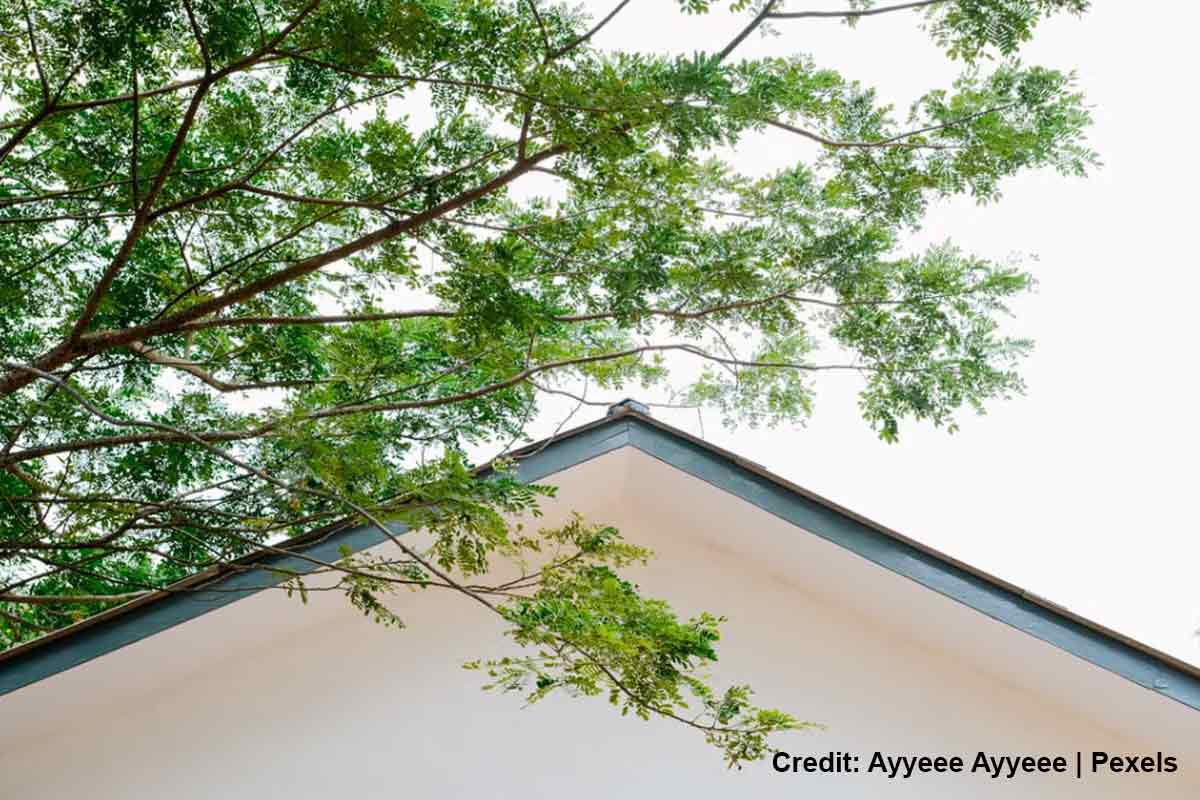
Physical exclusion remains the only permanent solution to persistent wildlife intrusion. If a property features inherent structural weaknesses, trapping the current occupants is a completely futile effort, as new populations will simply follow the lingering pheromone scent trails back into the exact same voids.
Chewing Through Weak Defences
Many residential homes are constructed with materials that offer zero resistance to determined rodents.
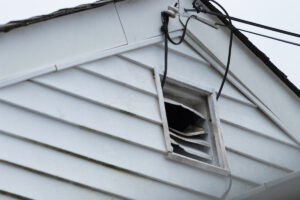
- Plastic Vents: Roof exhaust vents and plumbing mats made of standard plastic are chewed through in a matter of minutes.
- Deteriorating Fascia: Rotting wooden fascia boards or moisture-damaged soffits create soft spots that practically invite an animal to tunnel directly into the eavestrough overhang.
- Chimney Access: Uncapped chimneys provide a massive, unhindered vertical drop directly into the interior walls of a home.
The Importance of Professional Audits
Achieving total security requires specialized diagnostic auditing. High-quality pest control in Toronto heavily relies on systematic perimeter inspections. Professionals identify compromised mortar joints, warped siding, and degraded weatherstripping that the average homeowner easily overlooks.
Once these microscopic vulnerabilities are thoroughly mapped, technicians deploy commercial-grade fortification materials. Heavy-gauge galvanized steel mesh, custom-machined vent covers, and specialized elastomeric sealants embedded with copper fibres replace flimsy architectural components.
This proactive, highly rigorous approach transforms a vulnerable residential property into an impenetrable fortress, entirely preventing biological entry regardless of the seasonal pressures pressing against the exterior envelope.
Evict Unwanted Guests Today
You cannot simply wish a persistent wildlife problem away, and waiting for the season to change only allows the colony to multiply rapidly behind your drywall. Reclaim your property, eliminate the severe health hazards, and permanently secure your structural envelope against relentless rodent intrusion.
Don’t let another generation of wildlife turn your attic into a highly destructive, deeply contaminated nesting ground. We have the advanced diagnostic tools, the specialized field training, and the commercial-grade reinforcement materials strictly required to stop the invasion permanently and safely.
Call us at Pro Pest Corporation today by dialling (416) 487-4179 to secure the most comprehensive and advanced squirrel removal in Toronto. Protect your massive residential investment, ensure the absolute safety of your family, and permanently lock these destructive animals outside where they truly belong.