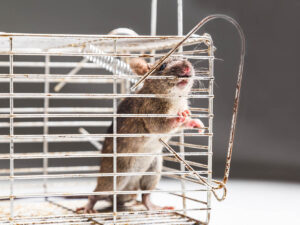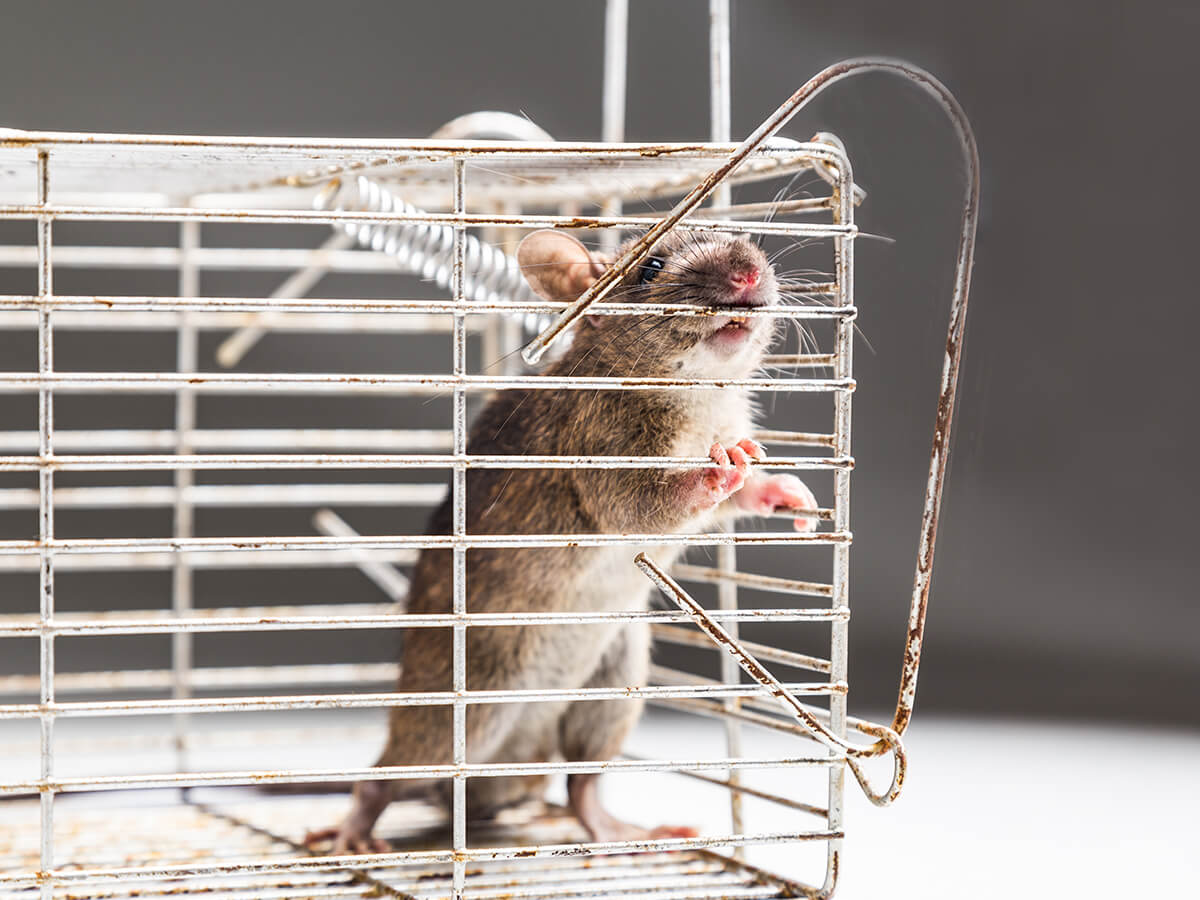
A snapped wooden trap holding a single rodent offers a dangerous illusion of victory. While hardware store solutions might catch a careless juvenile, they leave the highly intelligent, rapidly multiplying colony thriving completely untouched behind the drywall.
Using consumer-grade products against an established population equals treating a foundation fracture with a bandage. The biological reality of these complex rodents demands a sophisticated, multi-tiered response that retail products simply cannot deliver. True eradication requires scientific precision and permanent structural fortification.
Why Do Over-the-Counter Traps Ultimately Fail?
Rats possess remarkable cognitive abilities and deeply ingrained survival instincts that render standard retail traps highly ineffective for comprehensive eradication.
- The Neophobic Response: Rats are suspicious of new objects introduced into their environment. Placing a plastic or wooden trap directly in their pathway triggers an intense avoidance response. They will actively bypass the unfamiliar object for weeks, studying it from a safe distance.
- Colony Hierarchy and Bait Testing: Rat colonies operate on a strict hierarchy. Alpha members rarely investigate new food sources, instead allowing subordinate “omega” rats to sample bait. If a trap kills a subordinate, alphas learn the danger, and the entire breeding core becomes “trap-shy.”
- Subpar Mechanical Force: Retail snap traps frequently lack the necessary kinetic energy to guarantee a clean, instant dispatch of a large adult Norway rat. A glancing blow only educates the highly intelligent animal. It will never approach a similar device again while simultaneously communicating the exact nature of the threat to the surviving population.
- The Olfactory Scent of Danger: Rats communicate constantly through complex olfactory cues. A trap handled by human hands without proper protective gear reeks of predatory danger. Once a trap has been deployed and triggered, the intense stress pheromones released by the captured rodent act as a massive warning beacon, permanently rendering that specific location a recognized hazard zone.
How Do Professionals Bypass Deep-Rooted Neophobia?
Understanding the specific behavioural psychology of urban rat species is important. Canadian environments primarily host the Norway rat, a robust burrower, alongside the agile Roof rat in coastal zones. Both species exhibit intense neophobia.
- Rigorous Pre-Baiting Protocols: Professionals counteract neophobia through pre-baiting. This process involves placing deactivated traps loaded with high-value bait along established runways for several consecutive days. The rodents slowly learn to associate the new objects with a highly reliable, safe food source. Only after complete trust is firmly established are the devices armed simultaneously, ensuring maximum colony impact in a single, devastating night.
- Strategic and Covert Placement: Consumers typically place traps randomly in the middle of open floors or near highly visible droppings. Professionals read the microscopic signs of structural travel; sebum rub marks along baseboards, hidden ultraviolet urine trails, and specific gnawing patterns indicating transit routes. Traps are covertly concealed in natural choke points and dark structural voids where rodents feel most secure and are least likely to exhibit cautious, defensive behaviour.
Are Consumer Rodenticides Creating Invincible Super Rats?
The retail chemical approach is equally flawed and frequently exacerbates the underlying infestation. Retail poisons are restricted in active ingredient concentrations due to safety regulations, leading to severe biological consequences.
- Accelerated Genetic Resistance: Repeated, widespread exposure to low-dose retail poisons has actively contributed to the rapid evolution of heavily resistant rat populations. These fortified rodents consume the retail bait with absolute impunity, digesting the toxic material and continuing to breed without interruption.
- The Threat of Bait Shyness: Many consumer poisons act far too quickly, causing the rat to feel violently ill long before consuming a fully lethal dose. The highly intelligent rat immediately connects the sudden physiological sickness to the specific bait material, permanently rejecting that food source and aggressively signalling the wider colony to avoid it entirely.
- Secondary Poisoning Hazards: Since retail baits require multiple feedings to achieve lethality, the rodent builds a massive toxic payload. If a domestic pet or a natural predator consumes the poisoned rat, they suffer catastrophic secondary poisoning.
- Commercial-Grade Efficacy: Professional pest managers deploy advanced, single-feed anticoagulants and highly targeted neurotoxins strictly unavailable to the general public. These commercial-grade solutions are formulated with highly attractive food matrices that completely override natural suspicions. Their scientifically delayed-action mechanisms ensure the rodent consumes a fully lethal dose and returns deep into the nest before perishing, entirely preventing bait shyness from developing within the surviving colony hierarchy.
What Advanced Scientific Methods Guarantee Complete Eradication?
Eradicating an established colony requires aggressively suppressing their rapid breeding cycle, something physical traps and retail poisons completely ignore. A female rat can produce up to six litters a year, meaning a small family rapidly explodes into a massive crisis that overwhelms a structure in months.
Advanced Biological Interventions
To combat this exponential growth, modern eradication relies on deeply scientific, biological methodologies. The integration of reproductive control techniques using triptolide along with rodenticide offers a very promising and long-lasting approach for the management of rodents as pests (Dhar et al., 2026).
By systematically introducing specialized, highly targeted fertility-reducing compounds directly into the colony’s central food supply, professionals aggressively crash the localized birth rate. This advanced biological intervention ensures that while the adult population is actively reduced through specialized trapping and baiting protocols, no new generations are born to replace them.
Such a sophisticated dual-pronged attack completely breaks the reproductive backbone of the colony, achieving a level of permanence entirely impossible with standard hardware store solutions.
Why Is Structural Exclusion the Ultimate Perimeter Defence?
Killing the current occupants represents only the preliminary phase of proper property management. Without rigorous structural reinforcement, the powerful pheromone scent trails left behind will inevitably attract new, aggressive colonies to the highly desirable, vacant territory.
- Foundation and Perimeter Fortification: Rats chew through wood, aluminum, and concrete. Professionals seal foundation cracks and pipe penetrations using specialized elastomeric sealants embedded with copper mesh or stainless steel wool. This dense metallic combination destroys the rodents’ gums, preventing them from chewing through the repair.
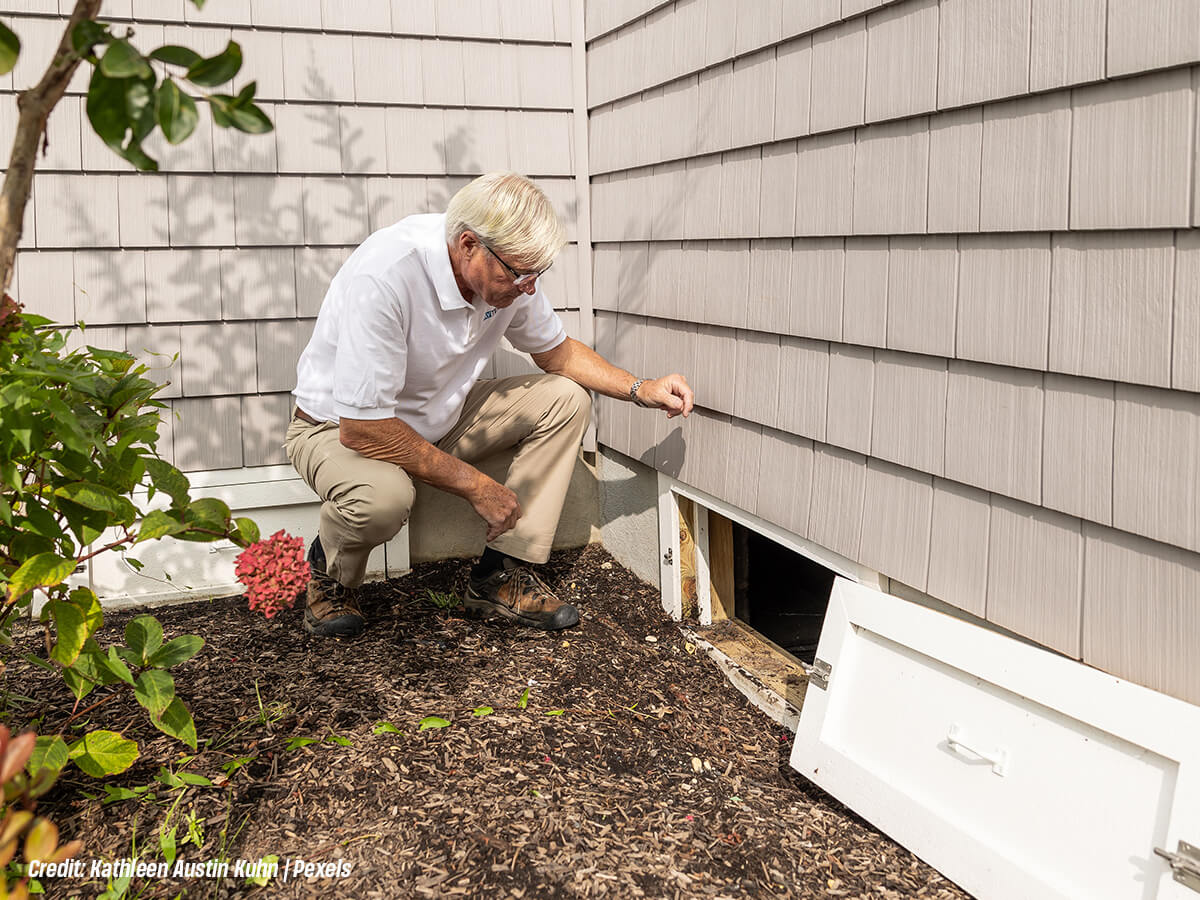
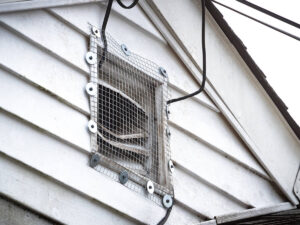
- Ventilation and Exhaust Upgrades: Standard plastic vent covers offer absolutely zero resistance to a determined adult rat. Experts permanently replace these flimsy barriers with heavy-gauge galvanized steel grates, firmly bolted directly into the surrounding masonry or structural framing.
- Subterranean Trench Defences: Norway rats are prolific and incredibly capable diggers. When actively protecting sheds, elevated decks, or low-clearance home extensions, professionals install robust subterranean exclusion trenches. Heavy-duty wire mesh is buried at least 30 to 45 centimetres below grade and flared outwards at a specific angle, physically blocking the rodents’ relentless attempts to tunnel underneath the structure’s vulnerable base.
How Does Environmental Management Starve the Colony?
Rats establish localized territories based strictly on the immediate availability of 3 crucial elements: food, water, and secure harbourage. Systematically altering the landscape to entirely remove these elements forces the population into a state of severe biological stress, pushing them away from the property.
- Strict Waste Containment Protocols: Open compost heaps and damaged garbage bins provide an endless caloric feast. All waste receptacles must be immediately fortified with heavy-duty locking mechanisms and routinely sanitized to remove deeply ingrained food odours.
- Strategic Vegetation Management: Dense ground cover acts as a highly protective shield against natural predators, allowing rats to safely transit across a property. Experts mandate a strict 45-centimetre clearance zone between shrubbery and the foundation. Any overhanging tree branches that provide direct, elevated access to the roofline must also be aggressively pruned back.
- Critical Moisture Reduction: Rats require substantial daily water intake to survive and breed. Leaking exterior hose bibs, poorly graded topsoil that allows extensive water pooling, and heavily clogged eavestroughs create perfect, highly attractive watering holes. Immediately correcting these structural moisture issues significantly reduces the property’s overall attractiveness to scouting rodents looking to establish a new territory.
What Role Does Ongoing Monitoring Play in Total Security?
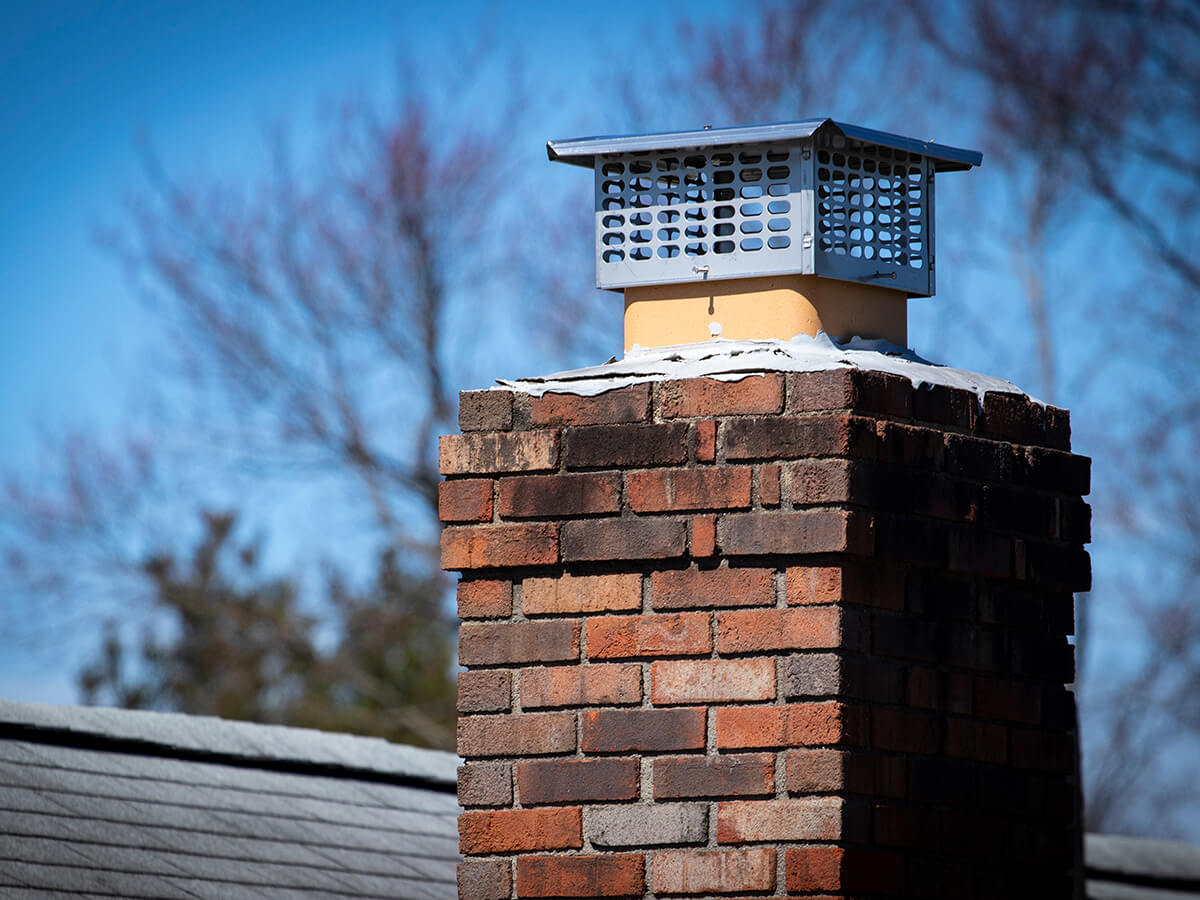
An effective defence strategy relies heavily on continuous auditing. Leading pest control in Toronto and surrounding major municipalities heavily depends on strict, data-driven monitoring protocols to guarantee long-term residential security.
- Tamper-Proof Monitoring Stations: Professionals install heavy-duty, heavily anchored exterior stations containing highly specific, non-toxic monitoring blocks. These specialized units allow technicians to accurately gauge surrounding rodent pressure by deeply analyzing the specific gnaw marks left on the dense blocks.
- Routine Structural Auditing: Extreme seasonal temperature shifts and natural structural settling constantly create entirely new, hidden vulnerabilities across a home’s exterior envelope. Scheduled professional audits ensure that all previous exclusion work remains completely intact and uncompromised. A slightly shifted piece of weatherstripping or a newly developed, microscopic mortar crack is immediately identified and permanently repaired long before a new colony can actively breach the residential perimeter.
Eradicate the Threat Now
Stop relying on weak retail products and transition immediately to commercial-grade defence. Protect your structural investment, safeguard your family’s immediate health, and permanently eliminate the threat of invasive wildlife.
Call us at Pro Pest Corporation today by dialing (416) 487-4179 to secure the most advanced, unrelenting rat removal in Toronto. Demand absolute professional certainty, lock down your perimeter, and refuse to surrender your home to rodents for another single moment.