Raccoon Removal in Toronto – Pro-Pest Corporation
Dealing with urban wildlife can be a significant challenge for property owners in the Greater Toronto Area. At Pro-Pest, we specialize in humane and effective raccoon removal in Toronto, helping you safeguard your property from the structural damage and health risks associated with these highly adaptable intruders. Whether you are dealing with a single animal nesting under your deck or a family of raccoons that has breached your attic, our experienced technicians provide targeted animal control raccoon removal strategies tailored to your specific situation.
We proudly extend our specialized raccoon removal services to a diverse range of clients across the city. For residential homeowners, apartment dwellers, and condo residents, we focus on quickly restoring peace of mind by sealing entry points and humanely extracting the animals. We also work closely with the property management sector—including apartment complex operators, HOA managers, and landlords—delivering scalable, efficient, and legally compliant solutions that protect multi-family investments and keep tenants safe.
Questions About Raccoons
Everything you need to know about Raccoons can be answered below. If you require any additional information not listed below, please feel free to Contact the Pros at Pro Pest – Call 416-487-4179.
Why the Removal of Raccoons is Necessary
- Severe Property Damage: Raccoons use their powerful paws to tear apart roof shingles, soffits, and drywall to force their way into attics. Once inside, they rip up insulation and chew through electrical wiring, creating significant fire hazards.
- Health and Disease Risks: Raccoons are primary carriers of rabies and canine distemper. Additionally, their droppings frequently contain Baylisascaris procyonis (raccoon roundworm) eggs, which can infect humans and pets if inhaled or accidentally ingested.
- Biohazard Accumulation: Raccoons establish specific areas called “latrines” to repeatedly deposit waste. Over time, their urine and faeces soak through attic floors and insulation, ruining ceilings and creating terrible odours that require expensive, specialized biohazard cleanup.
- Aggressive Behaviour: While they usually avoid direct confrontation, raccoons will fiercely defend themselves, their young, or their food sources. They pose a direct safety threat to curious pets and family members if they feel cornered or threatened.
- Fleas, Ticks, and Mites: Raccoons are frequently infested with external parasites. When they take up residence in your attic or crawlspace, these pests can easily migrate through your vents and walls, leading to a secondary insect infestation inside your living areas.
When to Seek Professional Wildlife Intervention
If you suspect wildlife has invaded your property, timely action is critical to prevent extensive structural damage. Look out for these common warning signs that indicate it is time to contact a specialist for the removal of raccoons:
- Unfamiliar Nocturnal Noises: Hearing heavy thumping, scratching, or vocal chattering in your attic, walls, or ceiling areas during the evening hours.
- Visible Structural Breaches: Discovering torn roof shingles, broken soffit panels, damaged fascia boards, or warped vents where animals are forcing entry.
- Unusual Pet Behaviour: Your dogs or cats continuously barking, whining, or staring fixedly at specific sections of walls or ceilings.
- Pervasive Foul Odors: Smelling strong, unexplained odours indoors, which often stem from wildlife urine, droppings, or decaying nesting materials accumulated upstairs.
- Disturbed Exterior Waste: Finding heavy, secured outdoor garbage bins repeatedly knocked over and contents scattered across your lawn or driveway overnight.
- Damaged Insulation Materials: Noticing compressed, torn, or displaced fiberglass insulation inside your crawlspace or attic during a routine home inspection.
- Visible Latrine Sites: Identifying concentrated piles of animal droppings on your roof, decks, or near the base of large backyard trees.
Why Choose Pro-Pest?
From small residential homes to major commercial high-rises, Pro-Pest delivers honest, reliable, and detailed service to every client.
- Guaranteed Results: All work comes with a written guarantee. If issues persist after our visit, we will return immediately to resolve them.
- Qualified Experts: Our technicians are fully certified in pest and wildlife control, maintaining the highest work ethics and attention to detail.
- Safety First: We exclusively implement the safest, most effective pest control techniques to protect you and your property.
Who to Call for Raccoon Removal in Toronto Today
If you are looking for assistance with Raccoon Removal, simply give us a call at Pro-Pest. (416) 487-4179 We also offer other services including Squirrel Removal, Rodent Removal, Bat Removal, and Bee Nest Removal.
E-mail our support department
Need professional help on how to get rid of raccoons or other pests? Fill out the short form on the right to ask our experts a question!
Frequently Asked Questions
How Do I Recognize A Raccoon?
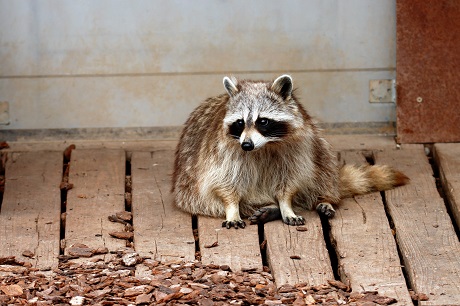
Raccoons are easily identified by the distinct, black “thief’s mask” around their eyes and their bushy, ringed tails. They are roughly the size of a large house cat or a small dog, with greyish-brown fur and incredibly dexterous front paws.
When Are Raccoons Most Common?
Raccoons are active year-round but are most visible during the spring and summer months when mothers are actively foraging to feed their young. Because they are nocturnal, you are far more likely to see or hear them active at night.
Do Raccoons Carry Any Disease?
Yes, raccoons are primary vectors for rabies and canine distemper, both of which are fatal to unvaccinated pets. Their droppings can also harbour raccoon roundworm eggs, a resilient parasite that poses severe health risks to humans and pets if inhaled or ingested.
What Attracts Raccoons To a Residence?
Raccoons are opportunistic scavengers drawn primarily by easily accessible food sources, such as unsecure trash cans, left-out pet food, and fallen backyard fruit. They are also attracted to warm, sheltered structures like open attics, chimneys, and spaces beneath decks to build their nests.
What Can I Do to Avoid Attracting Them to my Residence?
Keep your outdoor trash cans tightly sealed with locking lids or bungee cords and avoid leaving pet food outside overnight. Additionally, trim any overhanging tree branches away from your roofline and seal potential entry points around your roof, chimney, and deck.
What Should I Do with my Pets in Case of a Raccoon Encounter?
Immediately bring your pets indoors or secure them on a short leash to prevent a physical confrontation. Do not allow your pet to corner the raccoon, as they will fight aggressively to defend themselves or their young.
Do Raccoons Hibernate for the Winter?
Raccoons do not truly hibernate, but they do enter a state of deep sleep called torpor during severe winter cold snaps. During these freezing weeks, they will remain inside their dens for days at a time to conserve body heat and live off stored fat.
When Do Raccoons Mate And Bear Their Young?
Raccoons typically mate in the late winter, between January and March. After a 63-day gestation period, mothers give birth to a litter of 3 to 5 kits during the spring months of April or May.